
White Snakeroot: A Spooky Bloom in the Sugarbush
READ MORE
 Handcrafted in USA
 As we walk through our woods this fall, we are crunching across a carpet of acorns around the oaks. Some years, oaks produce comparatively few seeds. Other years — like this one — they unleash a bounty. Scientists call this phenomenon a mast year, when trees produce an unusually large crop of nuts and seeds all at once.
But what does that mean for our sugarbush? Let’s dig in.
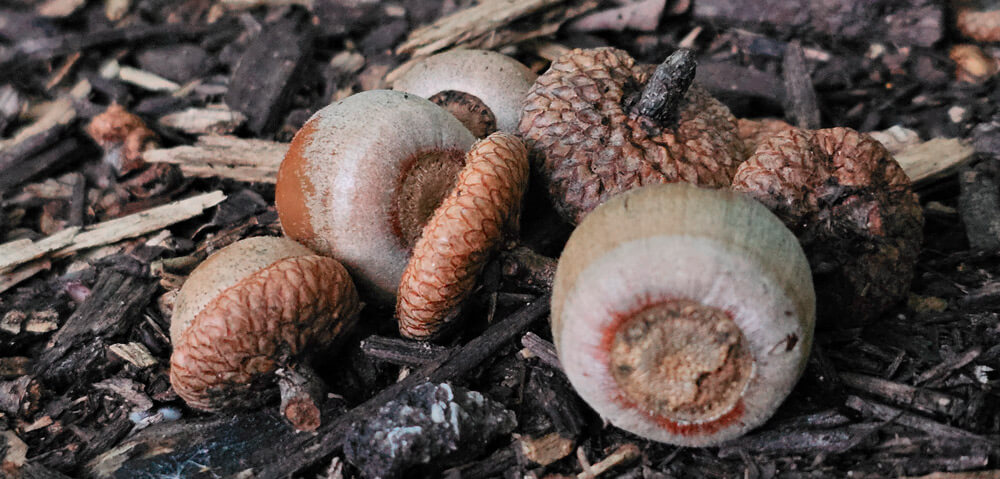
In a mast year, squirrels, chipmunks, and other rodents have a feast laid out before them. When acorns are abundant, they’re less likely to chew on maple saplings or strip bark for food. That means fewer girdled trees in your sugarbush and a healthier maple understory.
Fun fact: Squirrels don’t just eat acorns — they bury them, and sometimes forget where. Those hidden caches help plant the next generation of oaks.
Acorns aren’t just for squirrels. Deer, turkeys, blue jays, bears, and countless other species rely on acorns for protein and fat before winter. When acorns are plentiful, these animals go into the cold season stronger — and that has ripple effects throughout the ecosystem.
For example, a bumper crop can boost deer survival rates, which in turn can affect browsing pressure on young trees in the sugarbush. Everything is connected.
Just like maples, oaks don’t produce the same yield every year. Mast years are thought to be part of a survival strategy: when all the oaks in a region produce acorns at once, predators can’t possibly eat them all, ensuring some will germinate. Then, in “off years,” the trees rest and conserve energy.
Seeing a mast year can be a sign of a resilient, healthy forest. It’s one of those natural rhythms worth noticing as a sugar maker and land steward.
Acorns aren’t just wildlife food — humans can enjoy them too! While raw acorns are bitter and high in tannins, Indigenous peoples and early settlers leached the tannins out with water to make flour. Acorn bread, pancakes, and even acorn coffee were staples in some cultures.
If you’re into foraging, acorns remind us that our woods can provide far more than sap and syrup. They’re part of a deep, shared history of living with the forest.
For us as maple producers, mast years are reminders that our sugarbush is more than just maples. It’s a complex, interconnected ecosystem. Healthy oaks mean healthy wildlife, which in turn influences the balance of our woods. Paying attention to acorn cycles can give us insight into the long-term health and resilience of the sugarbush we depend on.
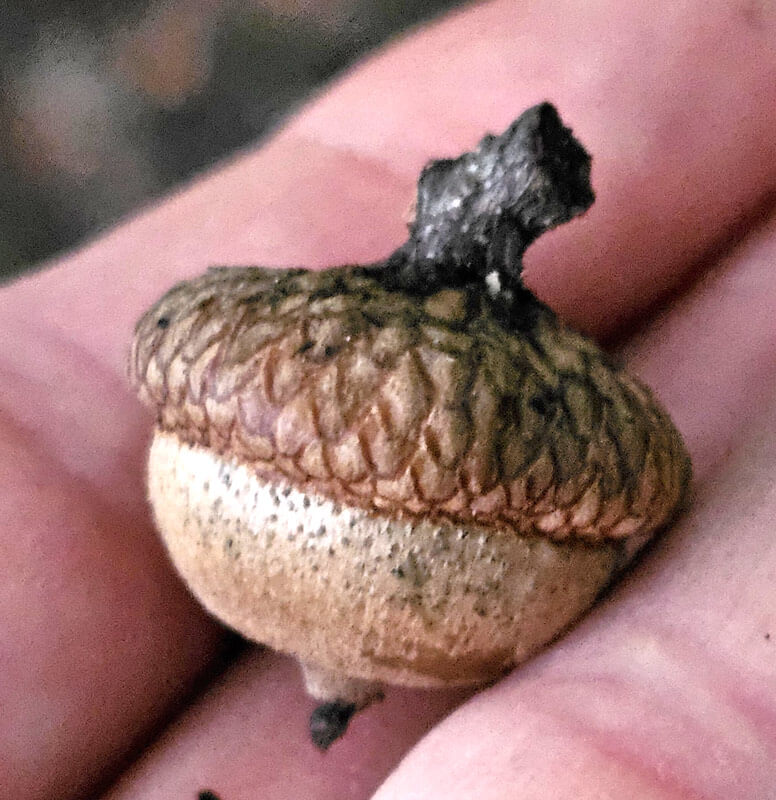
Have you seen a bumper crop of acorns in your woods this year? Drop a photo or comment below. We’d love to hear how your sugarbush is buzzing with life this fall.