 Handcrafted in USA Handcrafted in USA
 When you’re building or updating a sugarhouse, there are a lot of details to think through. One question we hear often from maple producers is:
How big should my cupola be, and how do I set it up correctly?
A properly designed cupola plays an important role in keeping your sugar house comfortable, protecting your building, and helping steam move out efficiently during the boil.
A cupola is essentially a raised section of roof built above your sugar house that creates an opening for steam to escape. During the boiling process, an evaporator produces a significant amount of steam. Without proper ventilation, that moisture can build up inside the building, making it uncomfortable to work in and potentially causing issues with your building materials over time.
A well-designed cupola gives that steam a controlled path out while still allowing you to work comfortably and safely inside the sugar house.
A good starting point is to size your cupola based on the surface area of your main boiling pan. A common guideline is to have your cupola opening equal to 100% to 150% of the surface area of your main boiling pan.
For example:
If you are running a 24″ x 48″ pan, your boiling surface is 2 feet by 4 feet. Your cupola should be at least that same size, or larger, to provide enough room for the steam to escape. The goal is to give the steam enough space to move upward and out of the building instead of allowing it to linger around the evaporator.
The size of the opening is important, but the height of your cupola matters just as much.
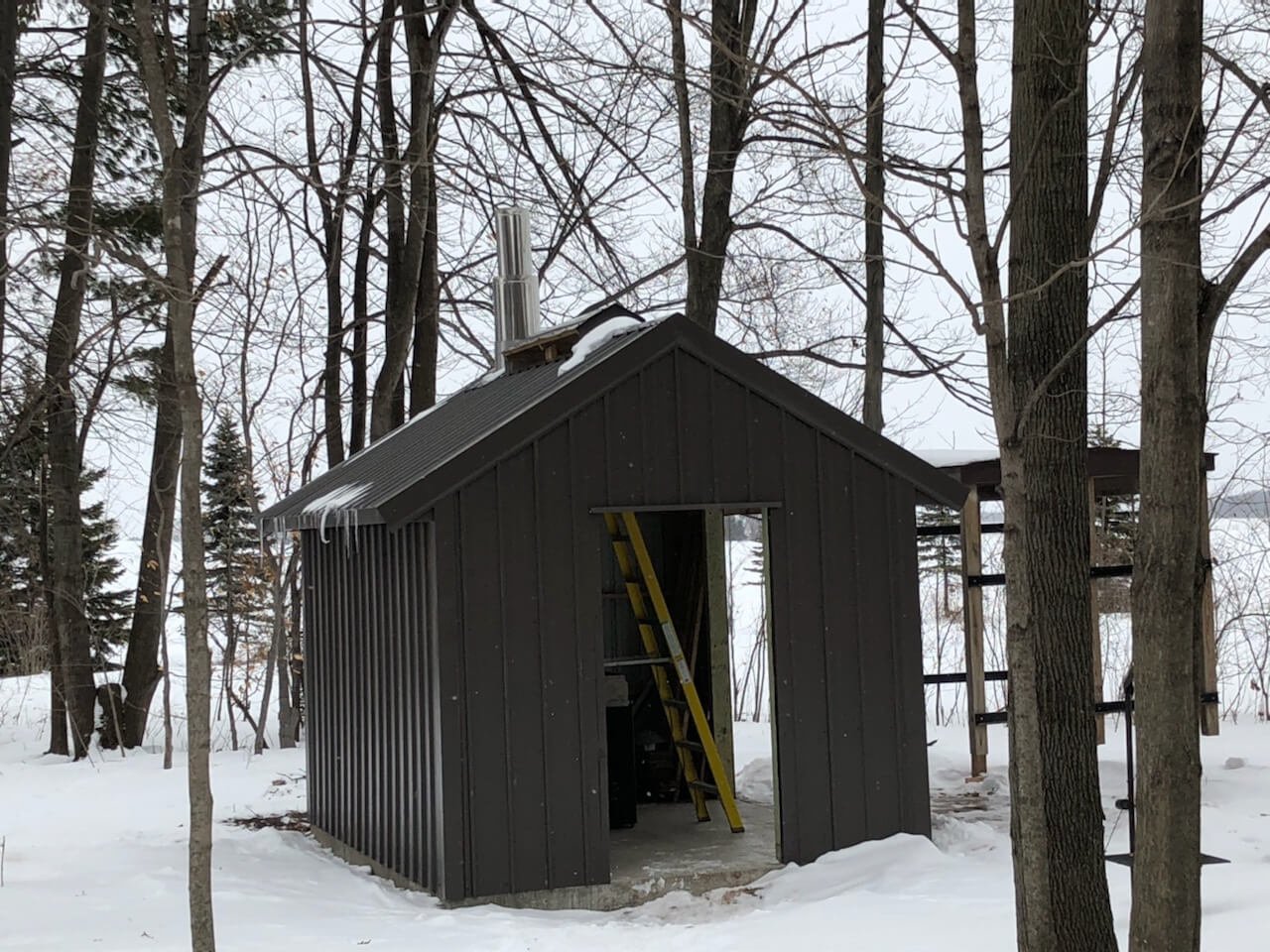
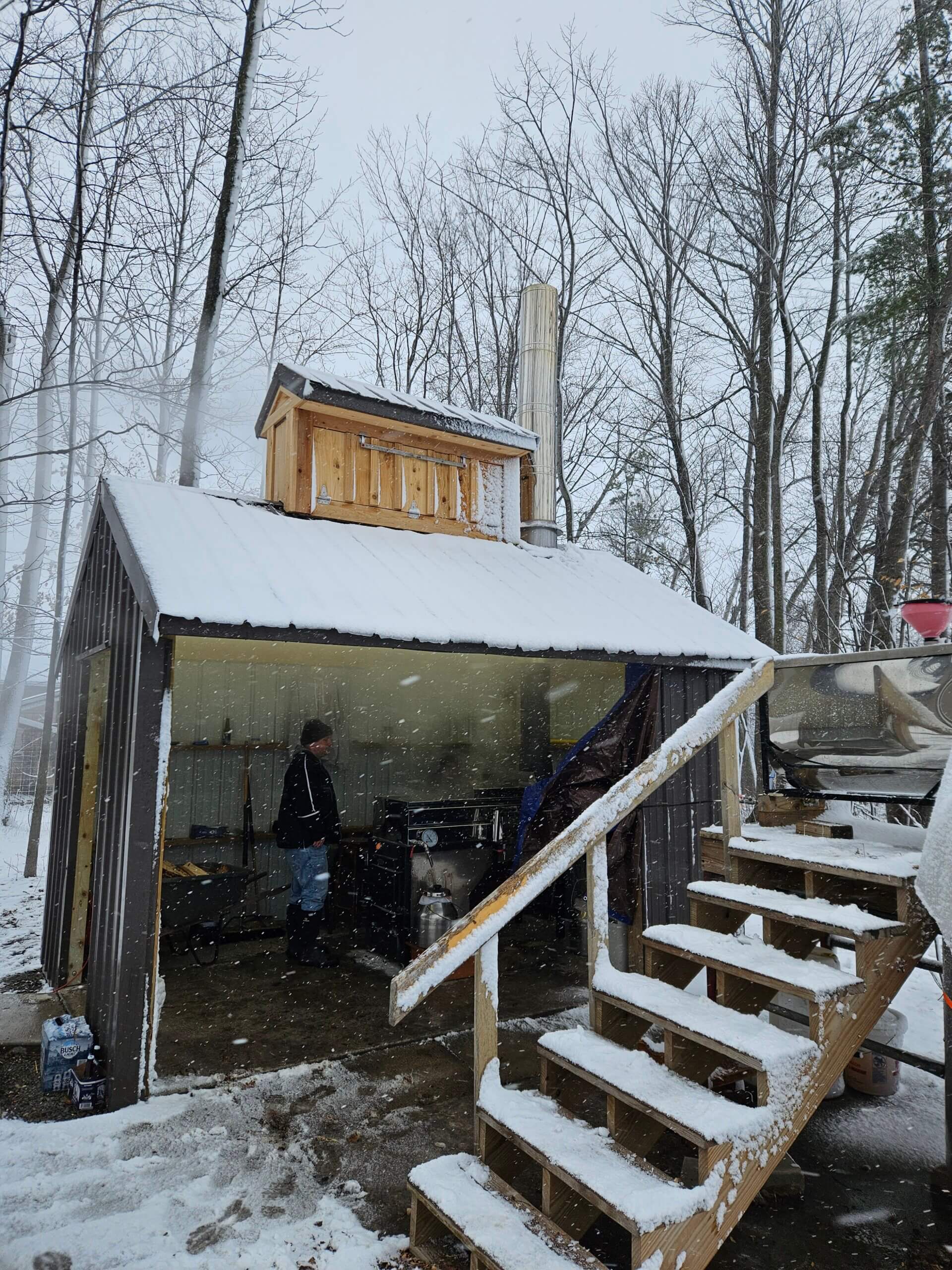
One mistake many sugar makers run into is building a cupola that has enough surface area but not enough height for the steam to properly exit.
Early on, Jimmy, one of Smoky Lake’s maple specialists, designed a cupola that had a lower opening with only about 8 inches of clearance for steam to escape. While it worked, there was still a noticeable amount of steam hanging in the building.
When it was rebuilt later, the door height was increased to 24 inches. That created an opening where even one side of the cupola provided enough ventilation for the entire boiling surface of the pan. The result was much better steam movement and a more comfortable working environment.
Most cupolas are designed with two openings:
To help pull steam out of the building, the general approach is:
This allows the wind to help draw steam upward and away from the sugar house. Of course, wind direction changes, so you may need to adjust your doors throughout the day depending on conditions.
Your ideal cupola setup can change depending on the weather.
Early in the season, when temperatures are colder, you may notice more visible steam inside the sugarhouse. Opening both cupola doors may provide excellent ventilation, but it can also make the building feel colder for your crew. During those colder boils, you may find that opening only one side provides a better balance between ventilation and comfort.
Later in the season, when temperatures warm up and you are boiling in lighter clothing, you may want as much ventilation as possible. Opening both cupola doors can help move heat and steam out of the building more effectively.
If I cannot see two feet away from me to see the next person, that usually means we need to make some sort of change with airflow in the building. – Jimmy, Smoky Lake maple specialist
If you are standing in your sugar house and cannot clearly see the people working around you because of steam, it is usually a sign that something needs to be adjusted.
That could mean:
A good sugarhouse setup is about balance. You want enough airflow to remove steam while still keeping your boiling area comfortable.
A cupola is one of those details that is much easier to get right during the planning stage than after the sugarhouse is already built. Think about:
A little planning goes a long way toward creating a sugar house that is comfortable, efficient, and enjoyable to work in for years to come.
Planning a new sugar house or upgrading your current setup? Our team can help you think through evaporator sizing, ventilation, and the details that make a sugar house work better.

2 Comments
Andrew Gauvain
Any thoughts or input on a cupola that is on a single plane lean to style roof? Will it work?
Smoky Lake Maple Products
This would be difficult. Because when the wind blows into the open side, it typically doesn’t allow efficient steam to exit the door. In this scenario, a steam hood would be a better option.